Archives
- 2026-08
- 2026-07
- 2026-06
- 2026-05
- 2026-04
- 2026-03
- 2026-02
- 2026-01
- 2025-12
- 2025-11
- 2025-10
- 2025-09
- 2025-03
- 2025-02
- 2025-01
- 2024-12
- 2024-11
- 2024-10
- 2024-09
- 2024-08
- 2024-07
- 2024-06
- 2024-05
- 2024-04
- 2024-03
- 2024-02
- 2024-01
- 2023-12
- 2023-11
- 2023-10
- 2023-09
- 2023-08
- 2023-06
- 2023-05
- 2023-04
- 2023-03
- 2023-02
- 2023-01
- 2022-12
- 2022-11
- 2022-10
- 2022-09
- 2022-08
- 2022-07
- 2022-06
- 2022-05
- 2022-04
- 2022-03
- 2022-02
- 2022-01
-
The lysine K specific demethylase KDM family is comprised of
2022-03-02
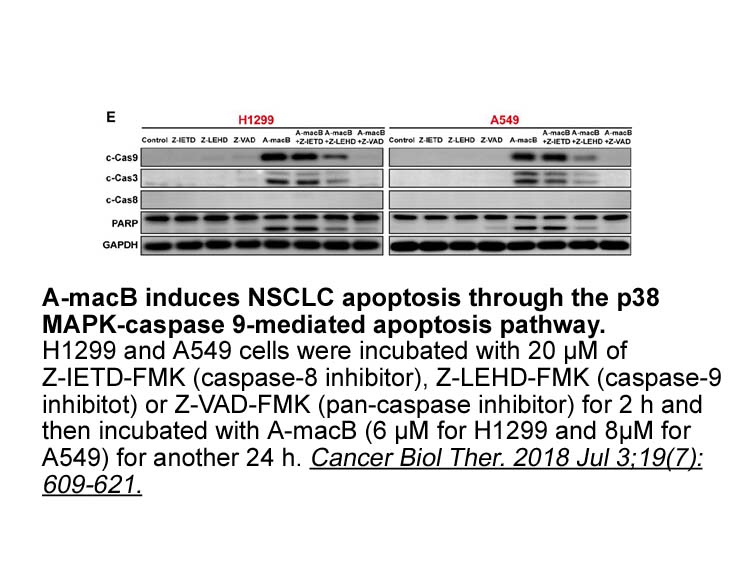
The lysine (K)-specific demethylase 4 (KDM4) family is comprised of 4 isoforms, KDM4A to -D, also known as JMJD2A to -D. KDM4A, B, and C encode proteins consisting of a JmjC, a JmjN, two PHD, and two Tudor domains. KDM4D is unique within the KDM4 family in that it has neither PHD nor Tudor domains,
-
A compound structurally similar to PF has been developed
2022-03-02
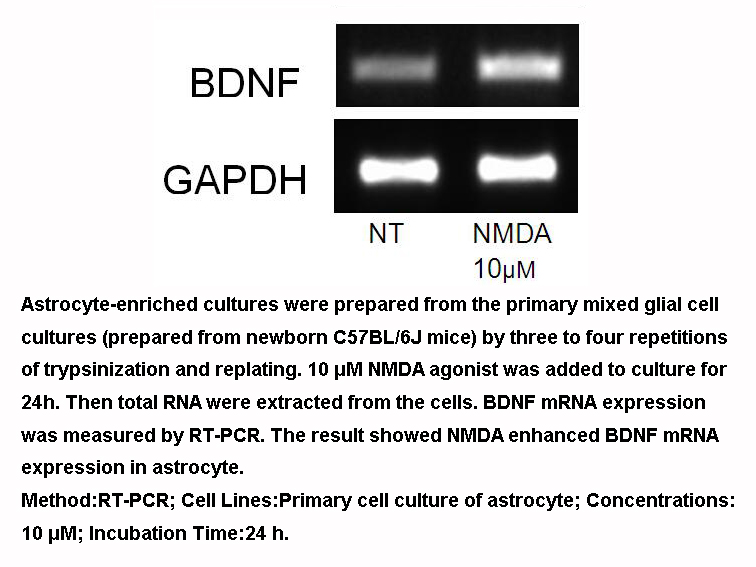
A PHA-680632 structurally similar to PF-03654746 has been developed by Pfizer (PF-03654764), with a minor change in the substituent attached to the cyclobutanecarboxamide moiety (Wager et al., 2011). This compound, with the chemical name trans-3-fluoro-3-[3-fluoro-4-(pyrrolidin-1-ylmethyl)phenyl]-N-
-
Lactate induced GPR activation was confirmed
2022-03-01
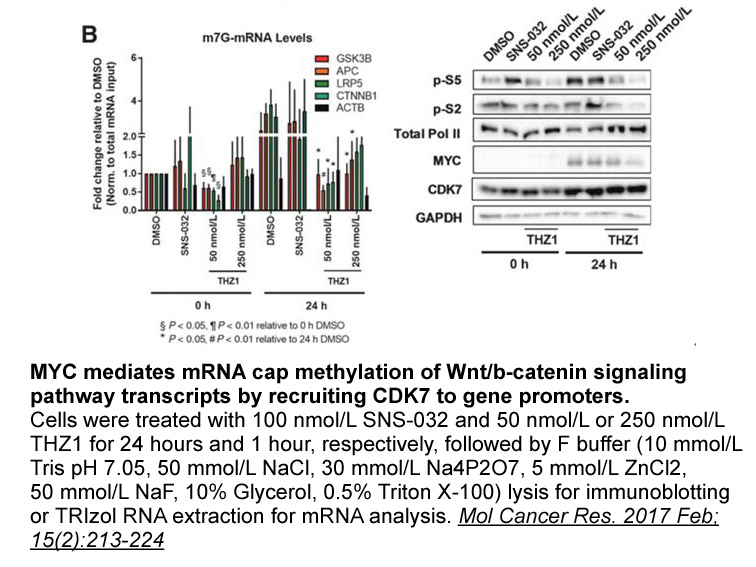
Lactate-induced GPR81 activation was confirmed with a fluorimetric imaging plate reader (FLIPR) assay, in which lactate induced a [Ca2+] flux in CHO cells stably expressing Gqi5 and HA-GPR81 but not vector control (Fig. 1C). The EC50 of lactate in the FLIPR assay was 4.3±0.73mM, a value well within
-
Because of its excellent GPR potency
2022-03-01
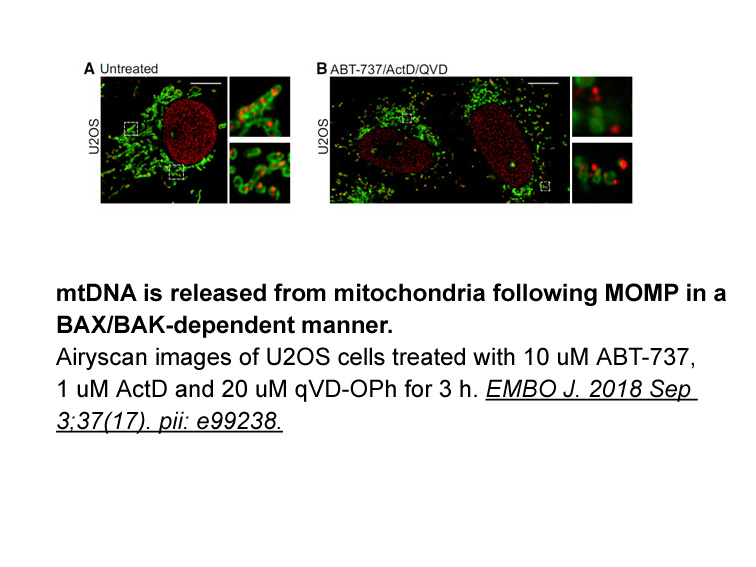
Because of its excellent GPR119 potency, good hERG selectivity and favorable rat t, Cetrorelix was scaled-up and further profiled. The synthetic protocols described in , were both suitable for a multi-gram scale synthesis of compound . An off-target screen was performed against an extensive panel
-
Thyroid hormone triiodothyronine T and
2022-03-01
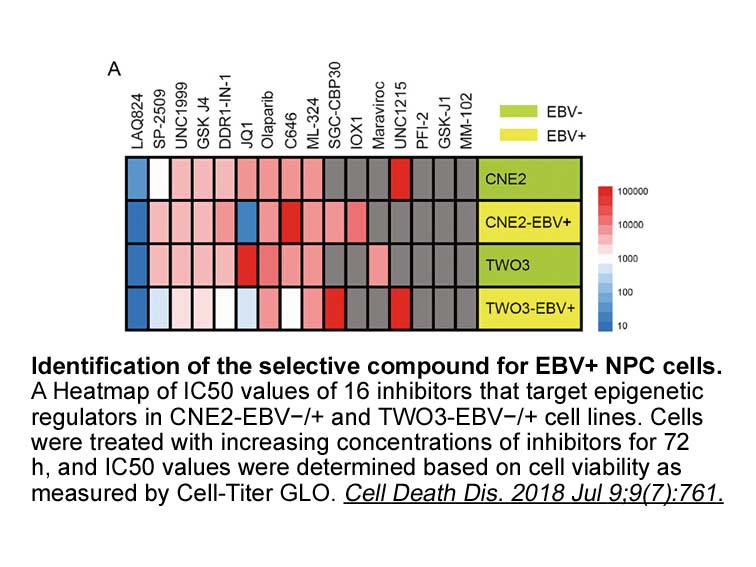
Thyroid hormone 3,5,3′-triiodothyronine (T3) and its precursor, thyroxine (T4), are iodinated compounds, which are known to regulate the expression of genes involved in various biological processes, such as development, growth and metabolic control. The iodothyronine deiodinase types I, II and III (
-
Overall our results indicated the
2022-03-01
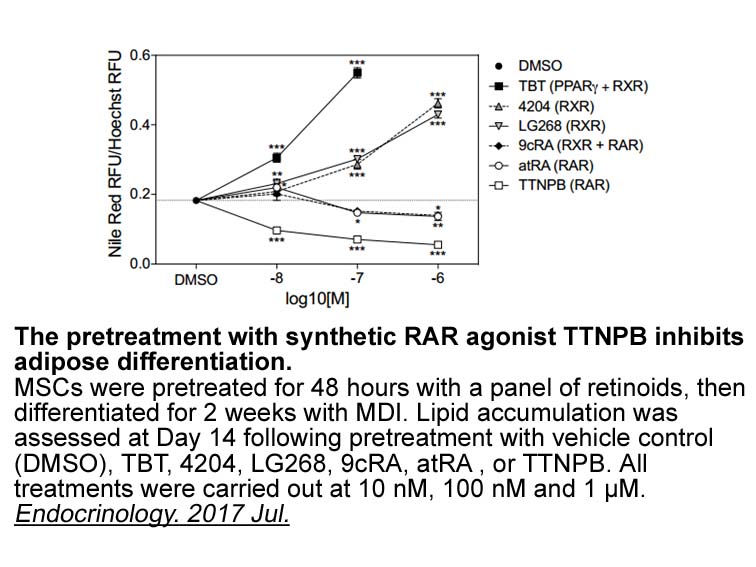
Overall, our results indicated the involvement of GABAAR in controlling GnRH/LH release through mechanism which included GABA action on molecular processes leading to GnRH biosynthesis. This is consistent with previous in vivo [14,54] and in vitro [55] studies in ewes suggesting that GABA inhibits G
-
br Introduction Lichen forming fungi
2022-02-28
Introduction Lichen-forming fungi (LFFs) have evolved in various classes, including Arthoniomycetes, Coniocybomycetes, Dothideomycetes, Eurotiomycetes, Lecanoromycetes, Leotiomycetes and Lichinomycetes, in Ascomycota (James et al., 2006, Schoch et al., 2009a, Lumbsch and Rikkinen, 2017, Prieto et
-
br Introduction Depression is a prevalent and disabling psyc
2022-02-28
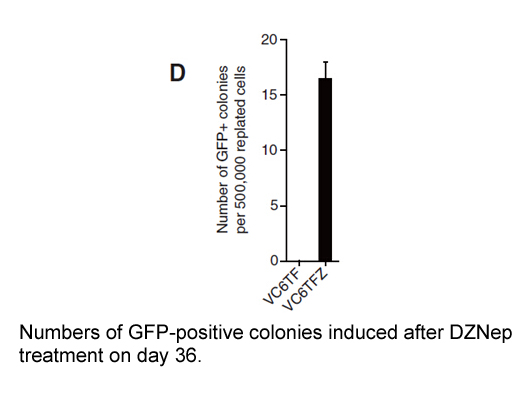
Introduction Depression is a prevalent and disabling psychiatric illness that affects millions of individuals worldwide, resulting in enormous personal suffering and public health costs [1]. Traditional antidepressants such as monoamine oxidase inhibitors (MAOIs) and selective serotonin reuptake
-
The widespread involvement of HH GLI in human malignancies
2022-02-28
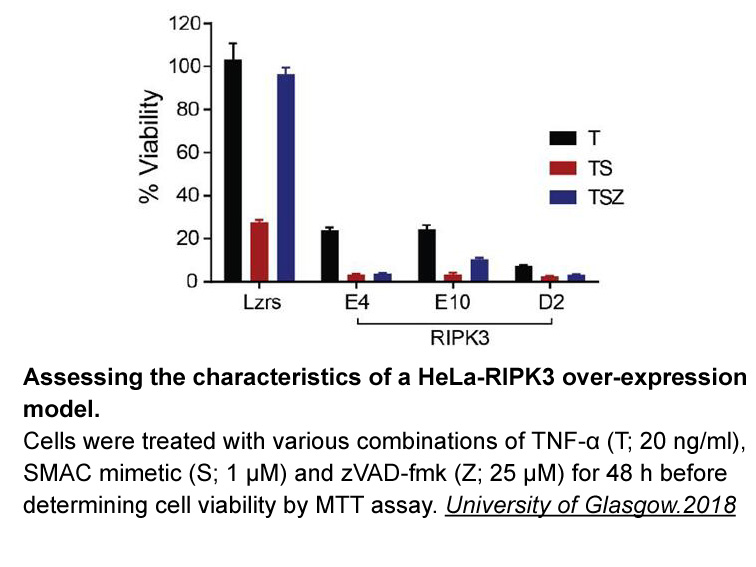
The widespread involvement of HH/GLI in human malignancies has initiated a remarkable effort to identify selective HPIs. As shown in Table 2.1, most of these small molecule inhibitors target the essential effector protein SMO, which should lead to pathway abrogation by eventually decreasing the GLIA
-
Gastric inhibitory polypeptide a hormone
2022-02-28
Gastric inhibitory polypeptide, a hormone belonging to the glucagon-secretin family of peptides, exhibits protection against the neurodegeneration and also stimulates neurogenesis in adult rats in a paracrine manner (Gault and Holscher, 2008, Nyberg et al., 2005, Usdin et al., 1993). The expression
-
br Acknowledgments This work was
2022-02-28
Acknowledgments This work was supported by the NIH (R01DK103884 to JMZ, R01DK100659 to JKE, and F32DK104659 and K01DK111644 to CMC), the Diana and Richard C. Strauss Professorship in Biomedical Research, the Mr. and Mrs. Bruce G. Brookshire Professorship in Medicine, the Kent and Jodi Foster Dist
-
The experiments indicate that a major component of
2022-02-28
The experiments indicate that a major component of the vasodilatation is due to antagonism of α 1-adrenoceptors. Evidence for α1-adrenoceptor antagonism is that vasodilatation was observed in (-)-Quinpirole hydrochloride preconstricted with α1-adrenoceptor agonists, phenylephrine or methoxamine, bu
-
CaCl was from the Radiochemical Centre
2022-02-28
45CaCl2 was from the Radiochemical Centre (Amersham, UK), NaVO3 was from Reachim (Moscow, Russia). Tetrodotoxin was purchased from Calbiochem, DTNB from Merck, Darmstadt, Germany. Nifedipine was synthesized in the Institute of Drug Research, Modra, Slovakia and was kindly provided by Dr. Zdeno Mahrl
-
Acquiring resistance to the FGFR inhibitor may determine
2022-02-28
Acquiring resistance to the FGFR inhibitor may determine treatment outcomes in patients with GC dependent on FGFR2 amplification, and we investigated the mechanism of AZD4547 resistance in FGFR2-amplified GC cells. We established a FGFR2-amplified GC cell line resistant to the selective FGFR inhibit
-
In this study we intended to explore
2022-02-28

In this study, we intended to explore the efficacy of artesunate on liver fibrosis and further clarify its potential molecular mechanism. Artemisinin, a sesquiterpene lactone obtained from a Chinese plant Artemisia annua [27]. Artesunate, as a stable derivative of artemisinin, is an effective drug f
7938 records 497/530 page Previous Next First page 上5页 496497498499500 下5页 Last page